
Older Child Sleep & Parenting | Happier Days
Mumma, are you exhausted from bedtime battles, constant night waking or a child who refuses to sleep in their own bed?
Perhaps your five-year-old needs you beside them to fall asleep, your seven-year-old is scared of the dark or your nine-year-old comes home from school and completely falls apart.
You might be wondering why your child struggles with sleep, why their emotions seem so big or how to set boundaries without shouting.
Welcome to the Parenting Collective Kids’ Sleep and Conscious Parenting Learning Hub.
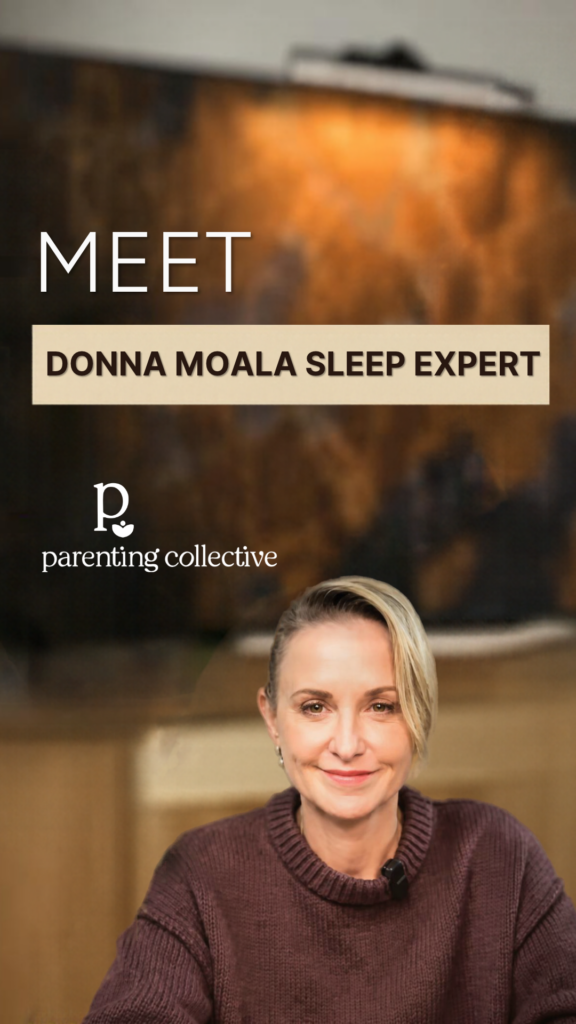
I’m Donna Moala, a Certified Secure Sleep Specialist and Conscious Parenting Coach. I support families with children aged 4–10 who are struggling with sleep challenges, emotional regulation, strong-willed behaviour and everyday parenting difficulties.
My approach is nurturing, responsive and built around secure attachment, connection and loving boundaries. No Cry It Out, no shame and no one-size-fits-all parenting advice.
Here you’ll find practical children’s sleep tips and conscious parenting strategies to help your family experience calmer nights, more connected days and greater confidence.
Understanding Sleep Needs for Children Aged 4–10
One of the most common questions parents ask is, “How much sleep does my child actually need?”
As children grow, their sleep needs change. School, friendships, emotional development and busy family schedules can allaffect bedtime and sleep quality.
How Much Sleep Do Kids Need?
Australian sleep recommendations provide the following general guidance:
- Children aged 3–5 years: 10–13 hours of sleep across 24 hours, including naps where needed.
- Children aged 5–10 years: approximately 9–11 hours of sleep each night.
These are guides rather than strict targets. Every child is different.
A child who isn’t getting enough quality sleep may experience irritability, difficulty concentrating, emotional outbursts or increased bedtime resistance.
Understanding your child’s individual sleep needs is an important first step towards improving their sleep.
Explore our children’s sleep charts and age-appropriate sleep guides to learn more.
Bedtime Battles and Sleep Problems in School-Aged Children
Does bedtime feel like an endless negotiation?
One more drink. One more cuddle. Another trip to the toilet. Suddenly your child remembers something extremely important from three Tuesdays ago!
Bedtime battles are common in children aged 4–10, but they can be exhausting for the whole family.
Some children struggle with bedtime because they’re overtired, anxious or finding it difficult to separate from their parents. Others may need clearer routines, more connection or support with transitions.
How to Create a Calming Kids’ Bedtime Routine
A consistent bedtime routine can help children understand what comes next and feel more secure.
A gentle school-age bedtime routine might include:
- A quiet activity before bedtime.
- Turning off screens and reducing stimulation.
- Having a bath or shower.
- Brushing teeth and getting into pyjamas.
- Reading together and enjoying some connection.
- Offering reassurance and settling into bed.
The goal isn’t to create a perfectly behaved child at bedtime. It’s to develop a predictable rhythm with clear, loving boundaries.
If your child becomes upset, you can acknowledge their feelings while maintaining the bedtime boundary.
Connection and consistency can work beautifully together.
Child Won’t Sleep Alone? Understanding Bedtime Anxiety
Does your child refuse to sleep alone or keep coming into your bedroom during the night?
Perhaps they’re scared of the dark, worried about monsters or simply feel safest when you’re close.
Bedtime anxiety in children is something many families experience, particularly during developmental changes, stressful periods or transitions.
Children who struggle to sleep independently aren’t necessarily being difficult or manipulative.
Sometimes they’re asking for reassurance in the only way they know how.
Helping Your Child Feel Safe Sleeping in Their Own Bed
Start by understanding what makes bedtime difficult for your child.
Talk about their worries during the day rather than waiting until everyone is exhausted at night.
Create a predictable bedtime routine and discuss a simple plan together.
You might begin by sitting beside their bed and offering calm reassurance, then gradually reducing your support as their confidence develops.
If your child becomes distressed, respond with empathy rather than leaving them to cry.
You can support independent sleeping without compromising your child’s need for emotional safety.
Night Terrors, Nightmares and Night Waking in Children
Waking to a frightened or distressed child can be upsetting for everyone.
Nightmares, night terrors and frequent night waking are common reasons parents seek children’s sleep support.
However, they’re not all the same.
Night Terrors in Children
Night terrors generally happen during deep sleep. A child may cry, scream, move around or appear frightened while not being fully awake.
Unlike nightmares, children often have little or no memory of a night terror the following morning.
If your child experiences a night terror, stay calm, keep them safe and avoid forcibly waking them.
Frequent night terrors, unusual movements, injury or concerns about breathing should be discussed with a healthcare professional.
Nightmares and Bedtime Fears
Nightmares often cause a child to wake feeling frightened. They may remember the dream and seek comfort.
Gentle reassurance, connection and talking about worries during the day can help children feel supported.
If your child regularly snores, gasps during sleep or experiences ongoing sleep difficulties, seek medical advice to rule out underlying sleep concerns.
Emotional Regulation and After-School Meltdowns
Have you ever picked up your child from school only for them to completely unravel the moment they get home?
They’ve managed the classroom, followed instructions and navigated friendships all day. Then one small thing sends everything sideways.
This is sometimes described as after-school restraint collapse.
It can be especially challenging for sensitive, strong-willed or neurodivergent children.
How to Support Big Emotions After School
Rather than immediately correcting behaviour, consider what your child may need.
They might be hungry, tired, overstimulated or desperate for connection.
Offer a snack, some quiet time or an opportunity to move their body.
Some children want to talk. Others need space before they’re ready to connect.
Emotional regulation in children develops through repeated experiences of being supported, understood and guided.
This doesn’t mean allowing hitting, shouting at others or unsafe behaviour.
It means recognising the feeling while maintaining a clear and respectful boundary.
Conscious Parenting and Raising Strong-Willed Children
If you’re parenting a strong-willed child, you may feel like every request becomes a negotiation.
Getting dressed, leaving the house, turning off screens and going to bed can all become daily challenges.
Conscious parenting offers a different way of approaching these moments.
Rather than focusing only on stopping the behaviour, we begin by understanding what’s happening beneath it.
Is your child overwhelmed? Seeking independence? Feeling disconnected? Struggling with a transition?
Understanding the reason doesn’t mean removing the boundary.
Setting Loving Boundaries Without Shouting
You can be kind and firm at the same time.
For example:
“I know you don’t want to stop playing. It’s time for bed now and I’ll help you.”
“I can see you’re angry. I won’t let you hit.”
“You really wanted more screen time. The screen is finished for today.”
Connected parenting isn’t about making children happy every moment.
It’s about creating emotional safety while teaching responsibility, respect and healthy boundaries.
Supporting Sleep in Children With ADHD, Autism and Sensory Needs
For neurodivergent children, sleep and bedtime can come with additional challenges.
Children with ADHD, autism or sensory processing differences may find bedtime transitions difficult or have increased sensitivity to light, sound, clothing or changes in routine.
Some children also experience significant bedtime anxiety or difficulty settling their bodies.
A responsive sleep approach considers each child’s individual needs rather than expecting every child to follow the same sleep plan.
Predictable routines, sensory adjustments, visual schedules and additional connection can sometimes help.
Ongoing sleep difficulties should also be discussed with an appropriate healthcare professional, particularly where snoring, restless sleep or significant daytime difficulties are present.
Frequently Asked Questions About Kids’ Sleep and Parenting
Why Does My 5-Year-Old Fight Bedtime?
Bedtime resistance may be related to overtiredness, anxiety, difficulties with transitions, inconsistent routines or a need for more connection. Understanding the reason can help you choose the right support.
How Do I Get My 7-Year-Old to Sleep in Their Own Bed?
Start with a predictable routine, explore any fears and create a gradual, supportive settling plan. Consistency and reassurance are more helpful than shame or punishment.
Why Does My Child Wake Up During the Night?
Night waking can happen because of nightmares, worries, illness, environmental disruptions or sleep-related medical concerns. Look at patterns and seek professional advice if symptoms persist.
How Can I Help My Strong-Willed Child Listen?
Focus on connection before correction, communicate clear expectations and offer age-appropriate choices. Children can learn to cooperate without needing to feel controlled or frightened.
Does Conscious Parenting Mean Having No Boundaries?
Absolutely not. Conscious parenting combines empathy, emotional safety and respectful communication with clear, consistent boundaries.
Can Poor Sleep Affect My Child’s Behaviour?
Yes. Inadequate or disrupted sleep can contribute to difficulties with concentration, emotional regulation and behaviour. However, sleep isn’t the only possible cause of challenging behaviour.Kids’ Sleep and Conscious Parenting Resources
Mumma, you don’t need to have all the answers.
Whether you’re navigating bedtime anxiety, frequent night waking, after-school meltdowns or a strong-willed child, having the right information can make a real difference.
Explore our Resources and conscious parenting Articles to find practical strategies you can begin using at home.
My goal is to help you understand your child’s sleep and behaviour, respond with confidence and create more connection within your family.
Personalised Sleep and Parenting Support for Families
Sometimes you’ve tried everything you can think of and bedtime still feels impossible.
Or perhaps sleep is only one part of the challenge and you’re also struggling with emotional outbursts, parenting triggers, boundaries or family connection.
As a Certified Secure Sleep Specialist and Conscious Parenting Coach, I support families in Perth, throughout Australia and worldwide.
Through personalised sleep consultations and conscious parenting coaching, we work together to understand your child, strengthen your connection and create realistic strategies that suit your family.
No Cry It Out. No judgement. No expectation of perfect parenting.
Just nurturing, responsive support for you and your child.
Book your FREE 15-minute sleep or parenting chat and let’s explore how I can support your family.
Because calmer nights and more connected days are possible, Mumma.
With love,
Donna Moala
Certified Secure Sleep Specialist & Conscious Parenting Coach