
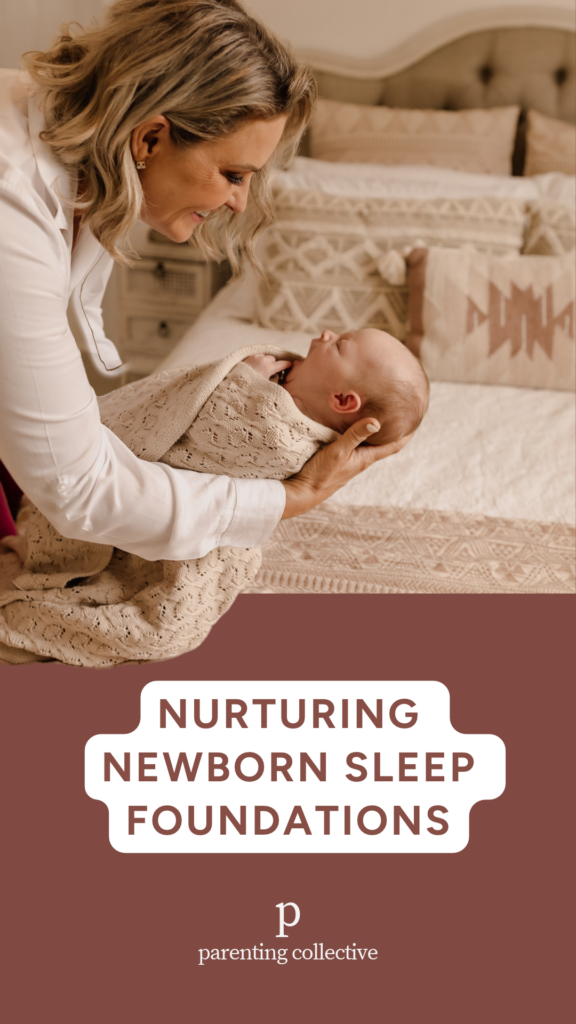
Newborn Sleep Foundations: Nurturing Support for Exhausted Parents
Mumma, are you exhausted from sleepless nights, short naps and a newborn who only wants to sleep in your arms? Are you wondering whether your baby needs a newborn sleep routine or why they seem wide awake at 2 am?
Firstly, you’re not alone! And secondly, your newborn isn’t doing anything wrong.
Welcome to the Parenting Collective Newborn Sleep Learning Hub, where you’ll find gentle, practical advice on newborn sleep, wake windows, bedtime routines and responsive settling.
As a Certified Secure Sleep Specialist and Conscious Parenting Coach, I believe newborn sleep should be nurturing, flexible and centred around connection. No rigid schedules, no unrealistic expectations and absolutely no Cry It Out.
Understanding Newborn Sleep Patterns
Newborn sleep looks very different from adult sleep. During the first three months, babies generally sleep around 14–17 hours across 24 hours, waking frequently for feeds, comfort and connection.
If your newborn won’t sleep for long stretches, it doesn’t mean you’ve created bad habits. Their sleep patterns are still developing.
Understanding what’s normal can help you feel more confident and reduce the pressure to make your baby sleep through the night before they’re developmentally ready.
Creating a Gentle Newborn Sleep Routine
A newborn sleep routine doesn’t need to follow the clock.
Instead, think of a flexible rhythm that includes feeding, cuddles, nappy changes, short periods of awake time and opportunities for sleep.
A simple newborn bedtime routine might include dimming the lights, changing their nappy, offering a feed and enjoying some quiet cuddles before gently settling them into their safe sleep space.
Consistency can be helpful, but responding to your baby’s individual needs always comes first.
Newborn Wake Windows and Tired Signs
Confused about newborn wake windows?
You’re not the only one, Mumma!
Wake windows describe how long your baby is awake between sleeps. They can provide a useful starting point, but they’re not strict rules.
Rather than watching the clock constantly, learn to recognise your newborn’s tired signs.
These might include yawning, turning away from stimulation, becoming quieter or appearing unsettled.
Understanding newborn sleep cues can help you offer rest before your little one becomes overtired.
How to Settle a Newborn Without Cry It Out
If your newborn won’t settle unless they’re being held, rocked or fed, please know that this is incredibly common.
Your baby has spent nine months surrounded by warmth, movement and familiar sounds. Wanting closeness is completely natural.
Gentle newborn settling may involve cuddling, rocking, feeding, soft singing and offering calm reassurance.
You are not spoiling your newborn by responding to their needs.
Always follow safe sleep recommendations by placing your baby on their back in their own safe, firm, flat sleep space. Keep their face and head uncovered and the sleep space free of pillows, loose bedding and soft toys.
Newborn Short Naps and Catnapping
Are your newborn’s naps lasting only 20–40 minutes?
Short naps and newborn catnapping can be perfectly normal, particularly during the early weeks when sleep cycles are still developing.
Rather than focusing on making every nap longer, consider your baby’s overall sleep, feeding and wellbeing.
Some babies need additional comfort to settle. Others may benefit from a quieter environment or adjustments to their awake time.
If you’re struggling with newborn contact naps or your baby won’t sleep in the bassinet, gentle support can help you explore what your little one needs while keeping sleep safety the priority.
Newborn Witching Hour and Unsettled Evenings
Does your newborn become particularly unsettled in the late afternoon or evening?
This is often called the newborn witching hour.
During this time, babies may cry more, cluster feed or struggle to settle.
Try reducing stimulation, offering feeds and cuddles and creating a calm environment.
If you’re feeling overwhelmed, ask for support and take a moment to regulate yourself.
Your baby doesn’t need you to be perfectly calm all the time. They need you to keep returning with love and reassurance.
If crying is unusual or persistent or your baby seems unwell, seek medical advice.
Newborn Day and Night Confusion
If your newborn sleeps beautifully during the day but seems ready for a party at midnight, their developing body clock may be contributing.
During the day, allow natural light and gentle interaction when your baby is awake.
At night, keep lighting dim and interactions quiet while continuing to respond to feeding and comfort needs.
Over time, these gentle differences can support the development of their natural sleep rhythms.
Frequently Asked Questions About Newborn Sleep
How Much Sleep Does a Newborn Need?
Many newborns sleep approximately 14–17 hours over 24 hours, although individual needs vary. Sleep is usually spread throughout the day and night.
Does My Newborn Need a Sleep Schedule?
No. Newborn sleep schedules should be flexible and responsive rather than rigid. Feeding, growth and your baby’s individual needs are more important than following exact times.
Why Won’t My Newborn Sleep in the Bassinet?
Your baby may be seeking closeness, feeling uncomfortable or finding the transition from your arms difficult. Gentle reassurance and safe, consistent settling practices can help. Download Safe Sleep FREE Guide
Is Feeding My Newborn to Sleep a Bad Habit?
Absolutely not. Feeding to sleep is a normal and comforting experience for many newborns. You don’t need to remove this connection during the early weeks.
When Will My Newborn Sleep Through the Night?
Every baby develops at their own pace. Frequent night waking and feeding are normal during the newborn stage. The focus should be on safe sleep and responsive care rather than rushing longer nights.
Free Newborn Sleep Guides and Resources
Mumma, you don’t have to navigate newborn sleep alone.
At Parenting Collective, you’ll find helpful resources covering newborn wake windows, sleep charts, tired signs, gentle settling and age-appropriate sleep routines.
Whether you’re struggling with short naps, unsettled evenings or simply wondering what’s normal, I’m here to help.
Explore my free newborn sleep resources and my Nurturing Newborn Guide, created to give you practical knowledge, confidence and reassurance.
Personalised Newborn Sleep Support
Sometimes reading another article isn’t quite enough, especially when you’re running on very little sleep.
As a Certified Secure Sleep Specialist and Conscious Parenting Coach, I support families in Perth, across Australia and worldwide with nurturing newborn sleep guidance.
My approach is gentle, responsive and tailored to your baby. No Cry It Out, no judgement and no pressure to follow a rigid schedule.
If you’re feeling exhausted or unsure about your newborn’s sleep, I’d love to support you.
Book your FREE 15-minute sleep chat and discover how we can make this season feel a little more manageable.
Because you deserve support too, Mumma.
With love,
Donna Moala